
![Cetaphil - [CORE] Daily Facial Moisturiser](https://zenska.ph/wp-content/uploads/2026/01/Cetaphil-CORE-Daily-Facial-Moisturiser-406x406.png)
Top Signs an Online Beauty Seller Is Not Verified (2026 Buyer’s Guide)
-
admin@zenska.ph
- Posted on
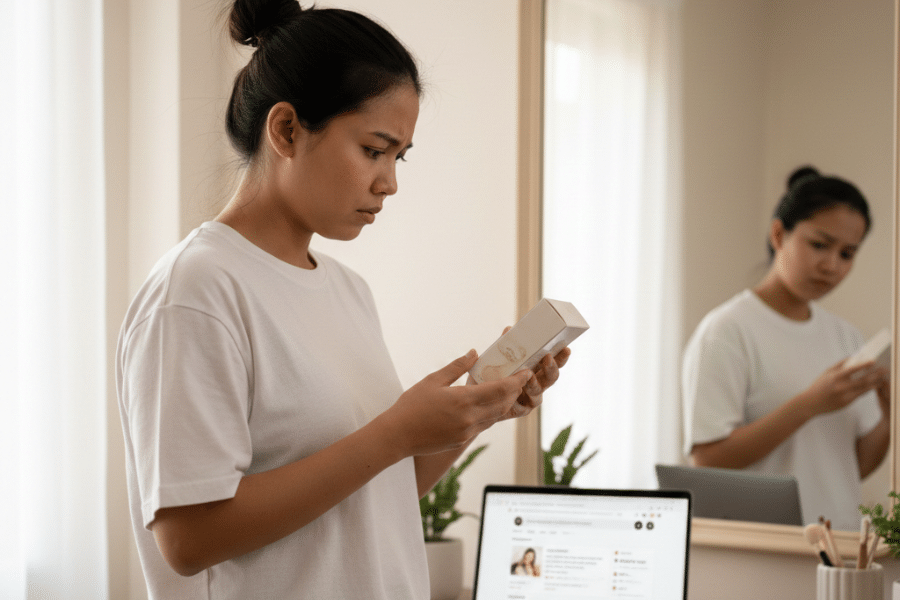
Table of Contents
Buying skincare and beauty products online has become part of everyday life. In 2026, it’s normal to order serums, sunscreens, makeup, and haircare with just a few taps. But as online beauty shopping grows, so does a serious and often overlooked risk: buying from an online beauty seller not verified.
Many people only realize a seller wasn’t verified after the damage is done—when a product arrives expired, ineffective, poorly packaged, or completely fake. By then, the money is spent, and the skin has already paid the price.
Understanding how to spot an online beauty seller not verified is no longer optional. It’s essential for protecting your skin, your health, and your trust as a buyer.
This guide breaks down the real warning signs to look for in 2026, based on current market behavior, buyer experiences, and long-term skincare safety principles.
Why Seller Verification Matters More Than Ever in 2026
The beauty industry is growing fast, but counterfeit and unsafe products are growing just as quickly. Social media selling, third-party marketplaces, and unregulated resellers have made it easier for unverified sellers to operate unnoticed.
When you buy from an online beauty seller not verified, you risk more than just wasting money. You risk:
- Skin irritation and breakouts
- Exposure to unsafe or unstable ingredients
- Using expired or improperly stored products
- Long-term skin barrier damage
Verified sellers exist to prevent exactly these problems. They ensure products are authentic, safely sourced, and handled correctly before they reach your skin.
1. Prices That Are Unrealistically Low
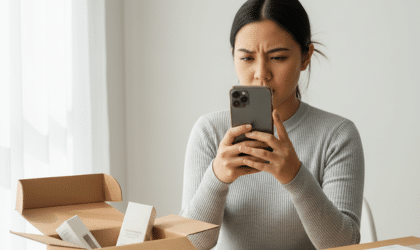
One of the clearest signs of an online beauty seller not verified is pricing that doesn’t make sense.
Authentic skincare and cosmetics follow fairly consistent pricing due to:
- Brand pricing policies
- Import and logistics costs
- Distributor margins
When a seller offers premium or trending products at extreme discounts with no explanation, it’s a red flag.
Why this matters:
Counterfeit and grey-market sellers rely on low prices to attract fast purchases before buyers ask questions.
2. No Clear Proof of Product Authenticity
Verified sellers understand that modern buyers want transparency. An online beauty seller not verified often avoids it.
Warning signs include:
- No information about where products are sourced
- Avoiding direct questions about authenticity
- Missing batch numbers or manufacturing details
- Only using brand stock images instead of real product photos
In 2026, lack of transparency is not a mistake—it’s a choice.
3. Incomplete or Suspicious Seller Profiles
A professional seller profile reflects a real, accountable business. An online beauty seller not verified often shows signs of carelessness or anonymity.
Watch out for:
- No registered business name
- Recently created seller accounts
- Missing contact information
- No return or refund policy
- Generic usernames with numbers
These sellers are often prepared to disappear once problems arise.
4. Reviews That Don’t Feel Real
Reviews still matter—but only when they’re genuine.
Be cautious if you notice:
- Many reviews posted within a very short time
- Repetitive or vague comments
- No photos or detailed experiences
- Reviews that mention delivery but not product performance
An online beauty seller not verified may manipulate reviews to create false trust.
5. Selling Too Many Unrelated Products
Verified beauty sellers usually specialize. They focus on categories like:
- Skincare
- Makeup
- Haircare
- Beauty tools
If one seller is offering beauty products alongside electronics, clothing, kitchen items, and random goods, authenticity is likely not their priority.
Specialization builds trust. Random listings don’t.
6. No Clear Return or Refund Policy
Authentic sellers stand behind what they sell.
If an online beauty seller not verified:
- Avoids refunds entirely
- Hides return terms
- Blames customers for product issues
…it’s a sign they don’t expect accountability.
In 2026, transparent policies are standard among legitimate sellers.
7. Poor or Evasive Communication
Before purchasing, try asking the seller a simple question:
- “Is this product original?”
- “Where is it sourced from?”
An online beauty seller not verified often responds with:
- Delayed replies
- Copy-paste answers
- Vague or indirect responses
Verified sellers answer confidently because they have nothing to hide.
8. Expired or Tampered Products
One of the most dangerous risks of buying from an online beauty seller not verified is receiving products that are:
- Expired
- Opened or resealed
- Missing or altered batch codes
Expired skincare can cause irritation, breakouts, and long-term skin damage—especially sunscreens and active treatments.
9. No Platform-Level Seller Verification
In 2026, trustworthy beauty platforms don’t allow anyone to sell freely.
If a platform:
- Doesn’t verify sellers
- Doesn’t screen product authenticity
- Takes no responsibility for counterfeit items
Then buyers are left unprotected.
This is why platforms that prioritize verification—like Zenska—matter more than ever.
How to Protect Yourself When Buying Beauty Products Online
To avoid purchasing from an online beauty seller not verified:
- Buy from platforms that verify vendors
- Check seller transparency and policies
- Read detailed customer reviews
- Avoid unrealistic discounts
- Choose trust over short-term savings
Authentic beauty products should improve your skin—not put it at risk.
Why Verified Beauty Sellers Matter in 2026
As online beauty shopping grows, trust has become the new currency.
Verified sellers help:
- Protect buyers from counterfeit products
- Maintain consistent product quality
- Create a safer beauty ecosystem
Platforms like Zenska focus on seller verification and authenticity so customers don’t have to guess whether a product is safe or real.
Final Thoughts: Protect Your Skin Before You Click “Buy”
Knowing how to spot an online beauty seller not verified can save you from wasted money, skin damage, and frustration.
In 2026, smart beauty shopping isn’t about chasing discounts.
It’s about choosing authenticity, transparency, and trust.
Always remember:
👉 If a seller can’t prove they’re verified, they don’t deserve your skin.

 Skin
Skin  Hair
Hair  Make Up
  Bath & Body
  Natural
  Mom & Baby
  Men
Men  Fragrance
  Lingerie & Accessories
  Appliances
  Body Care
  Cleansers
  Eye Care
  Hands & Feet
  Kits & Combos
  Lip Care
  Hair Care
  Hair Kits & Combos
  Hair Styling
  Shop By Concern
  Shop By Hair Type
  Tools & Accessories
  Eyes
Eyes  Face
Face  Lips
Lips  Makeup Kits & Combos
  Multi-functional Makeup Palettes
  Nails
Nails  Bath & Shower
  Body Care
  Female Grooming
  Feminine Hygiene
  Hands & Feet
  Kits & Combos
  Aromatherapy
  Body Care
  Hair
Hair  Makeup
  Nailpolish
  Skin
Skin  Baby Accessories
  Baby Hygiene
  Diaper Essentials
  For Moms
  Gifting
  Nursing & Feeding
  Bath & Body
  Beard Care
  Fragrance
  Hair Care
  Health Supplements
  Sexual Wellness
  Aromatherapy
  Fragrance Kits & Combos
  Men Fragrances
  Shop By Fragrance Family
  Top Brands
  Women Fragrance
  Bags
Bags  Footwear
  Home
Home  Lingerie
  Sunglasses
  Watches
  Face Skin/Tools
  Hair Removal Tools
  Hair Styling Tools
  Massage Tools
  Oral Care
  Pro Hair Styling
