
Is Selling Cosmetics Online Profitable?
-
admin@zenska.ph
- Posted on
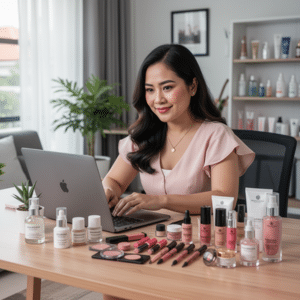
Let’s skip the hype and get straight to it: is selling cosmetics online profitable in the Philippines right now? The short answer is yes — but only if you understand how the numbers actually work, where most sellers go wrong, and which decisions will make or break your margins. This guide is for Filipino beauty entrepreneurs, resellers, and startup brands who want a real picture, not just an inspiring success story.
The Philippine Beauty Market in 2026: Why the Timing Is Right
Before we talk profit, let’s talk context. The Philippine beauty and personal care industry has been on a consistent upward trajectory, and the online channel is driving a significant share of that growth. A few things have converged to create the current opportunity:
- Mobile-first shopping behavior. Filipinos are among the world’s most active mobile internet users. A massive portion of beauty purchases now happen entirely on a phone — from discovery to checkout.
- Rising skincare literacy. Filipino consumers have become genuinely sophisticated about ingredients, formulations, and routines. Educated buyers are often willing to pay a premium for quality.
- Growth of local indie brands. There’s a real cultural shift toward supporting homegrown Filipino beauty brands — a meaningful tailwind for small and independent sellers.
- Post-pandemic beauty habits. Skincare surged during the pandemic and has held firm. Self-care became a spending priority that hasn’t reversed.
The market is not saturated — it’s growing. And in a growing market, new sellers who position themselves correctly can absolutely carve out profitable space.
What Are the Real Startup Costs for Online Beauty Selling?
One of the reasons the online beauty space attracts so many entrepreneurs is that the barrier to entry is relatively low. But “relatively low” still means you need a realistic budget.
If You’re a Reseller
Reselling existing brands is the lowest-cost entry point into online selling Philippines-style.
- Initial inventory: ₱5,000–₱20,000 depending on category and brand
- Packaging materials: ₱1,000–₱3,000 (bubble wrap, boxes, tissue, stickers)
- Product photography: ₱0–₱5,000 (DIY with a decent phone, or hire a photographer)
- Platform fees: Varies by marketplace — some charge per transaction, others are free to list
- Marketing (optional but recommended): ₱1,000–₱5,000/month for boosted posts or micro-influencer collaborations
| Realistic starting budget as a reseller: ₱10,000–₱30,000 |
If You’re Launching Your Own Brand
Building your own beauty brand costs more upfront but offers significantly higher long-term margins and brand equity.
- Product development / contract manufacturing: ₱15,000–₱80,000+ depending on MOQ and formulation complexity
- FDA notification or registration: ₱2,000–₱10,000+ per product (required for all cosmetics in the Philippines)
- Packaging design and production: ₱10,000–₱40,000
- Professional photography and branding: ₱5,000–₱20,000
- Initial marketing: ₱5,000–₱20,000
| Realistic starting budget for a brand launch: ₱50,000–₱150,000 |
These are not fixed rules — some founders have launched with less by being resourceful. But underestimating startup costs is one of the most common reasons new beauty businesses fail before they find their footing.
Understanding Profit Margins in the Cosmetics Business
Here’s where selling cosmetics online gets genuinely interesting — and where the real opportunity lies.
Typical Margin Ranges
Cosmetics and beauty products are among the highest-margin categories in retail. The cost to manufacture or source a product is often a small fraction of what consumers happily pay when the branding, packaging, and marketing are right.
- Resellers: Typically earn 20%–50% gross margin depending on category and supplier terms
- White-label or private label brands: 50%–70% gross margin is common
- Original formulation brands: 60%–80%+ gross margin is achievable at scale
What eats into those margins in practice:
- Platform fees and commissions (5%–15% depending on the marketplace)
- Shipping costs and logistics
- Packaging materials and returns
- Marketing and ads spend
- Merchant payment processing fees
Net margins for a well-run online beauty business typically land between 15%–35% once all costs are accounted for. Resellers tend to sit at the lower end; brand owners who’ve built customer loyalty sit at the higher end.
| Key insight: Beauty is a repeat-purchase category. Once you acquire a customer who loves your product, the cost to retain them is far lower than acquiring a new one. Your margins improve over time as your customer base grows. |
Most Profitable Cosmetics Categories to Sell Online
Not all beauty products are equal when it comes to profitability. These categories consistently outperform others in the Philippine online market.
1. Skincare — Especially Serums and Treatments
Skincare is the most profitable category for most online beauty sellers. Serums, essences, and targeted treatments carry high perceived value relative to production cost. Filipino consumers actively seek products with specific actives — niacinamide, hyaluronic acid, vitamin C, retinol — and are willing to pay meaningfully for formulations they trust.
2. Sunscreen and SPF Products
One of the fastest-growing subcategories in online beauty products Philippines-wide. The climate means sunscreen is a daily essential, not seasonal. Demand is consistent year-round, with strong repeat purchase behavior.
3. Local and Indie Beauty Brands
Filipino-made beauty products have a genuine moment right now. Local brands that lean into their origin story, use locally sourced ingredients, or address Filipino-specific skin concerns — humidity, sun exposure, hyperpigmentation — have a real edge in building loyal communities.
4. Multi-Use and Minimalist Makeup
Tinted moisturizers, cushion foundations, and hybrid skin-makeup products sell extremely well because they align with current preferences for simplified routines. Lower SKU count also means easier inventory management.
5. Hair and Scalp Care
Hair oils, scalp serums, and treatments have grown significantly and deliver strong repurchase rates. Higher margins than commodity shampoos and attract engaged, loyal buyers.
The Honest Risks and Challenges
Profitability in online cosmetics isn’t guaranteed. Here are the real challenges to plan for.
- FDA compliance costs and timelines. Every cosmetic product sold in the Philippines needs proper FDA notification. This takes time and money, and non-compliance can result in product seizures or account bans.
- Price competition on crowded platforms. On large general marketplaces, price wars are a constant reality. Sellers undercut each other to win the algorithm, which compresses margins across the category.
- Counterfeit and unauthorized products. Buyers are increasingly wary. If your brand gets associated with grey-market products — even unfairly — it can do lasting damage to your reputation.
- Customer acquisition costs. Getting your first customers is genuinely hard and increasingly expensive. Paid social media advertising costs have risen significantly.
- Returns and product issues. Beauty is personal. A moisturizer that works beautifully for one skin type can cause reactions in another. Managing returns gracefully is part of the job.
Where You Sell Determines How Profitable You Can Be
This is one of the most underappreciated factors in online beauty selling. The platform shapes your brand perception, customer quality, and cost structure. Let’s look at the options honestly.
Social Media Platforms
Selling through social media is how many Filipino beauty sellers start out — it’s free, community-driven, and great for building an audience organically. The challenge is that it doesn’t scale. Managing orders through DMs, manually confirming payments, and coordinating logistics by hand works at five orders a week. At fifty, it’s unsustainable. No built-in buyer protection, no organized catalog, limited data. An excellent discovery channel; a difficult primary sales engine.
Large General Marketplaces
Big general ecommerce platforms offer real value: traffic. There are millions of active buyers and mature logistics infrastructure. For established resellers or brands with ad budget, they deliver volume.
But here’s the structural tension: a general marketplace is optimized for everything, which means it’s not truly optimized for beauty. Your skincare brand sits next to household cleaners and power tools. Buyer intent is mixed. The algorithm rewards cheapest and most-reviewed, not most thoughtfully crafted. Getting discovered organically without paid ads becomes increasingly difficult as competition grows. For a new beauty brand trying to build identity and sustainable margins, the general marketplace model often works against you.
Zenska — A Beauty Marketplace Built Around How Beauty Actually Sells
This is where the conversation changes for serious beauty sellers. Zenska is a dedicated beauty and wellness marketplace built specifically for the Philippine market. Unlike platforms where you’re one of millions of sellers across every imaginable category, Zenska is a curated space where every seller, every product, and every buyer is there for one reason: beauty.
Think about what that means for your brand. When a shopper opens Zenska, they’re not distracted by gadgets or home appliances. They arrived specifically to discover beauty. That buyer intent is completely different from a general marketplace browser — and it converts differently too. Zenska buyers are in discovery mode: curious, engaged, and genuinely open to trying something new. They’re not hunting for the cheapest option. They’re looking for the right one. For beauty brands, that distinction is everything.
The community dimension matters just as much. Beauty buying is inherently social — recommendations, reviews, skin type matching, and ingredient discussions are how Filipino beauty consumers make decisions. Zenska is designed around that behavior. Your brand story has room to breathe. Your photography is seen by people who appreciate it. Your ingredient callouts land because the audience is already tuned in. You’re not shouting over a general marketplace — you’re speaking to people who came to listen.
For sellers who’ve felt invisible on large general platforms, or exhausted by the operational chaos of social media selling, Zenska offers something neither can: a home that was actually built for beauty brands. One where your margins aren’t constantly under attack from price wars, and where growing a loyal customer base is structurally supported rather than structurally resisted.
Here’s how the platforms compare across the factors that matter most to beauty sellers:
| Factor | General Marketplaces | Own Website | Zenska |
| Audience | General shoppers | Visitors you attract | Beauty-intent buyers only |
| Buyer mindset | Mixed – browsing everything | High if you drive traffic | Discovery mode – ready to try |
| Brand visibility | Buried among all categories | Full control | Showcased in beauty context |
| Competition | Millions of products | None on-site | Beauty brands only – fair stage |
| Community | None – purely transactional | You build it yourself | Built-in beauty community |
| Price pressure | Very high – race to bottom | Moderate | Lower – value-driven buyers |
| Best for | Volume resellers | Established brands | Brand building + loyalty |
The bottom line: if you’re serious about building a beauty brand — not just making quick sales — Zenska gives you something general marketplaces structurally cannot provide.
How to Sell Cosmetics Online and Actually Become Profitable: A Step-by-Step Path
Step 1: Validate Before You Invest
Before spending heavily on inventory or branding, test your product concept. Sell small batches, gather real feedback, and confirm that people will actually pay your target price. Validation is cheap. A failed product launch is expensive.
Step 2: Get Your Compliance Right From the Start
FDA notification is not optional. Budget for it, plan for the timeline, and treat it as a fixed cost of doing business — not an afterthought.
Step 3: Build Your Unit Economics
Know your numbers before you scale. What does one unit cost to produce or source? What does it cost to pack and ship? What does the platform take? What are you left with? If you can’t answer these questions clearly, you can’t manage profitability intentionally.
Step 4: Choose Your Primary Platform Strategically
Don’t just default to the biggest platform. Consider where your brand and customer fit best. A beauty-focused marketplace like Zenska may generate less raw traffic than a general giant — but when traffic converts better and your margins are protected from price wars, your actual profitability can be significantly higher. Better-fit buyers mean better reviews, better retention, and lower refund rates.
Step 5: Build Repeat Purchase Into Your Product Strategy
The most profitable beauty businesses in the Philippines are built on loyal repeat buyers. Structure your product line so customers have a reason to come back — complementary products, refills, seasonal launches, or bundled routines.
Step 6: Invest in Content, Not Just Ads
Product education, ingredient explainers, and skin type guides build long-term organic traffic and customer trust. Content that helps your buyers use your products better also reduces returns and increases satisfaction.
Realistic Income Expectations
Let’s be honest about what’s achievable at different stages.
- First 3–6 months: Most sellers are still finding their footing. Expecting ₱10,000–₱30,000 in monthly revenue is realistic for a focused starter. Profit at this stage is minimal and often reinvested.
- 6–18 months with consistent effort: Sellers who’ve built a small but loyal following and refined their product mix can realistically target ₱30,000–₱100,000+ monthly. Net margins at this stage often range from 15%–30%.
- Established brand (18 months+): Beauty brands with genuine identity and a loyal customer base can scale well beyond this. The ceiling is significantly higher for owned brands than for pure resellers.
The beauty industry rewards patience and consistency more than flashy launches. The sellers who build sustainable profit stay the course, listen to customers, and keep improving.
Beginner Tips for Maximizing Profitability Early
- Start with 2–3 hero products instead of a wide catalog. Focus builds brand identity and simplifies operations.
- Price based on value, not just cost. Underpricing is a profitability killer. Research what comparable products command in the market.
- Ask every customer for a review. Social proof is your most cost-effective marketing tool.
- Track everything from day one. Revenue, costs, return rates, best-selling SKUs. You can’t optimize what you don’t measure.
- Don’t neglect packaging. Unboxing matters deeply in beauty. A beautiful experience becomes content; content becomes free marketing.
- Be patient with organic growth. The sellers who panic and slash prices at the first sign of slow sales destroy their own margins. Hold your positioning.
Conclusion: Yes, It’s Profitable — With the Right Moves
Selling cosmetics online is profitable in the Philippines — but it’s not automatic. It rewards sellers who understand their numbers, choose their platforms strategically, build real brand equity, and play the long game. The market is growing, the Filipino beauty consumer is increasingly sophisticated, and there’s real room for brands at every price point that show up with quality, authenticity, and consistency.
If you’ve been selling on social media and want more structure, or if you’ve tried general marketplaces and felt your brand getting lost in the noise, it might be time to think differently about where you sell.
Zenska is a beauty-first marketplace built specifically for Filipino beauty brands and the buyers who love them. It’s a platform where your products are seen by people who arrived specifically to discover beauty — where your brand story gets heard, your margins are protected from race-to-the-bottom pricing, and your community can actually grow. If you’ve worked hard on your products and your brand, you deserve a stage that does them justice.
The profit is there. The question is whether you’re building toward it with the right foundation — and the right platform.
Frequently Asked Questions
| 1. Is selling cosmetics online profitable for beginners in the Philippines? |
| Yes, especially for resellers who start lean and focus on a specific niche. Profit margins in beauty are among the highest in retail, but beginners need to account for all costs — platform fees, shipping, marketing, and compliance — to understand their real net margin. Starting small, validating your products, and reinvesting early profits is the most sustainable path. |
| 2. How much can I earn selling beauty products online in the Philippines? |
| It varies widely by product type, platform, and effort level. Beginner resellers might earn ₱5,000–₱20,000 net monthly in the early stages. Established beauty brand owners with a loyal following can realistically earn ₱50,000–₱200,000+ monthly. The ceiling is significantly higher for owned brands compared to pure resellers. |
| 3. Do I need FDA registration to sell cosmetics online in the Philippines? |
| Yes. All cosmetic products sold in the Philippines must be notified with or registered under the FDA. This applies to both locally manufactured and imported products. Operating without proper FDA compliance can result in penalties and removal from selling platforms. Budget and plan for this from the very beginning. |
| 4. What is the most profitable type of cosmetic product to sell online? |
| Skincare — specifically serums, treatments, and targeted actives — consistently delivers the highest margins and strongest repeat purchase rates. Sunscreen is another high-demand, high-repeat category. For makeup, multi-use hybrid products and cult lip items tend to outperform broad foundation ranges for small sellers. |
| 5. Is a beauty-focused marketplace better than a general platform for new sellers? |
| For sellers focused on building a brand — as opposed to pure volume reselling — yes. General marketplaces offer more raw traffic but more competition, price pressure, and brand dilution. A beauty-specific marketplace like Zenska brings pre-qualified beauty buyers, a more brand-friendly environment, and a community built around beauty discovery. For brand building and sustainable margins, the quality of traffic matters more than the quantity. |



 Skin
Skin  Hair
Hair  Make Up
  Bath & Body
  Natural
  Mom & Baby
  Men
Men  Fragrance
  Lingerie & Accessories
  Appliances
  Body Care
  Cleansers
  Eye Care
  Hands & Feet
  Kits & Combos
  Lip Care
  Hair Care
  Hair Kits & Combos
  Hair Styling
  Shop By Concern
  Shop By Hair Type
  Tools & Accessories
  Eyes
Eyes  Face
Face  Lips
Lips  Makeup Kits & Combos
  Multi-functional Makeup Palettes
  Nails
Nails  Bath & Shower
  Body Care
  Female Grooming
  Feminine Hygiene
  Hands & Feet
  Kits & Combos
  Aromatherapy
  Body Care
  Hair
Hair  Makeup
  Nailpolish
  Skin
Skin  Baby Accessories
  Baby Hygiene
  Diaper Essentials
  For Moms
  Gifting
  Nursing & Feeding
  Bath & Body
  Beard Care
  Fragrance
  Hair Care
  Health Supplements
  Sexual Wellness
  Aromatherapy
  Fragrance Kits & Combos
  Men Fragrances
  Shop By Fragrance Family
  Top Brands
  Women Fragrance
  Bags
Bags  Footwear
  Home
Home  Lingerie
  Sunglasses
  Watches
  Face Skin/Tools
  Hair Removal Tools
  Hair Styling Tools
  Massage Tools
  Oral Care
  Pro Hair Styling
