
Sunscreen Philippines: Why Authentic SPF Protection Is Essential Every Day
-
admin@zenska.ph
- Posted on
Table of Contents
Sunscreen Philippines isn’t optional. For most people living in or visiting the country, it’s something that should be part of everyday life. The Philippines has a tropical climate, strong sunlight almost all year, and a consistently high UV index. That combination means skin is exposed to harmful ultraviolet rays daily—even on days when it doesn’t feel that hot outside.
A lot of people still skip sunscreen. Some forget. Others assume they don’t need it. And many use products without really checking if they work. Over time, that choice adds up. Using sunscreen Philippines consumers can genuinely trust is one of the simplest ways to protect skin health in the long run.
This guide explains why sunscreen matters so much in the Philippines, what sun exposure actually does to the skin, why SPF 50 is usually recommended, how fake sunscreens cause damage, and how to choose products that really protect.
Why Sunscreen Philippines Needs Daily Use
Living in the Philippines means sun exposure is unavoidable. Unlike places with clear summer and winter seasons, sunlight here is strong all year. Even on cloudy days, UV rays still reach the skin.
This is something many people underestimate.
How Daily Sun Exposure Happens
Sun exposure happens in everyday situations:
- While commuting to work or school
- During outdoor jobs or errands
- Near windows and open spaces
- Even indoors, because light reflects off surfaces
Skipping sunscreen doesn’t cause instant damage you can see. That’s the tricky part. The effects build slowly. Over time, daily exposure without protection can turn into pigmentation, sensitivity, or early aging. By then, the damage is harder to reverse.
Sunscreen Philippines and the Reality of UV Exposure
Because the Philippines is close to the equator, the sun’s rays hit the skin more directly. This leads to higher UV index levels compared to many other countries.
Effects of High UV Exposure
High UV exposure can lead to:
- Skin darkening and hyperpigmentation
- Uneven skin tone
- Premature wrinkles and fine lines
- Loss of skin elasticity
- Increased sensitivity
This is why sunscreen routines in the Philippines should focus on prevention. Most sun damage doesn’t happen all at once. It happens quietly, over years, and often without obvious warning signs.
What Sun Damage Really Does to Your Skin
Many people still think sun damage only means sunburn. If there’s no redness, they assume everything is fine.
That’s not how it works.
Long-Term Effects of Sun Damage
Sun damage often happens silently. Long-term ultraviolet exposure can:
- Reduce the skin’s natural glow
- Speed up visible aging
- Trigger stubborn pigmentation
- Increase the risk of skin cancer
Using sunscreen Philippines users can rely on helps lower these risks significantly. Daily protection may not feel urgent, but over time it makes a real difference.
Why SPF 50 Is Recommended in Sunscreen Philippines
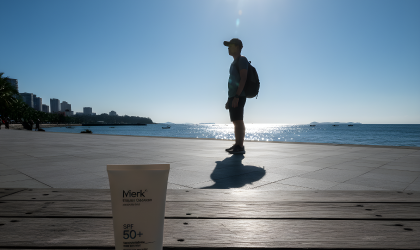
In tropical climates like the Philippines, dermatologists often recommend SPF 50. Lower SPF levels can work in mild conditions, but they may not be enough for daily exposure here—especially for people who spend time outdoors.
What SPF 50+ Means
- Blocks around 98% of UVB rays
- Offers stronger protection during long sun exposure
- Helps reduce cumulative skin damage
Sunscreen products in the Philippines with SPF 50 or higher are generally better suited for heat, humidity, and prolonged sun exposure. It’s a safer buffer, especially for daily use.
The Hidden Danger of Fake Sunscreen Products in the Philippines
This is where things become more concerning.
Fake sunscreen products are becoming more common. They often look legitimate and make confident SPF claims, but they don’t actually protect the skin.
Why Fake Sunscreen Is Dangerous
Fake sunscreen products may:
- Contain little or no UV filters
- Make SPF claims that are never verified
- Use packaging that looks real but isn’t
- Create a false sense of security
That false sense of protection is dangerous. People stay longer in the sun, thinking they’re safe, while damage continues underneath. In many cases, fake sunscreen causes more harm than using none at all.
How Fake Sunscreen Products Enter the Market
Fake sunscreen products usually appear in places where checks are limited:
- Social media resellers
- Extremely discounted online listings
- Unverified beauty shops
- Street vendors and informal markets
Low prices and bold promises make these products tempting. But that’s exactly why caution matters. Checking authenticity before buying sunscreen Philippines products is captious if you want real protection.
How to Identify Authentic Sunscreen Products in the Philippines
Before buying sunscreen, it helps to slow down and look closely. A few small checks can prevent bigger problems later.
Key Signs of Authentic Sunscreen
1. Clear SPF and PA Labeling
Authentic products clearly display SPF levels and UVA protection ratings.
2. Batch Number and Expiry Date
Real sunscreen products include batch numbers and proper expiry or manufacturing dates.
3. Stable Texture and Smell
Authentic sunscreen has a consistent texture and no strong chemical smell.
4. Reasonable Pricing
Heavy discounts on popular sunscreen products are often a warning sign.
Common Sunscreen Myths in the Philippines
“I have Morena skin, so I didn’t need sunscreen.”
Melanin offers some protection, but it does not stop UV damage or pigmentation.
“I only need sunscreen at the beach.”
Daily exposure from commute, walking, or running errands is enough to cause damage.
“Makeup with SPF is enough.”
Most people don’t apply enough makeup to get meaningful sun protection.
These beliefs are a big reason sunscreen use remains low, even though sun exposure is high.
How to Use Sunscreen Products Correctly in the Philippines
Even the best sunscreen doesn’t help if it’s used the wrong way.
Proper Sunscreen Use
- Apply about ¼ teaspoon for the face and neck
- Apply 15–20 minutes before sun exposure
- Re-apply every 2–3 hours
- Re-apply after sweating or swimming
Consistency matters more than the brand. Skipping days or applying little reduces protection significantly.t all.
Why Authentic Sunscreen Products Matter for Filipino Skin
Filipino skin is often prone to:
- Hyper-pigmentation
- Acne marks
- Uneven tone
Authentic sunscreen products are designed to:
- Protect without clogging pores
- Perform well in heat and humidity
- Support the skin barrier
Fake sunscreen can make existing skin concerns worse instead of preventing them. That’s a risk most people don’t realize until damage happen.
How Zenska.ph Supports Safe Sunscreen Philippines Choices
Zenska.ph was created to remove uncertainty from skincare shopping. When choosing sunscreen through Zenska.ph, products go through authenticity checks to ensure they are real and verified.
This means less guesswork. People can focus on protecting their skin instead of worrying about whether a product is fake or ineffective. Safety and performance come first, which makes choosing sunscreen simpler and more reliable.
Sunscreen Philippines Is a Daily Health Essential
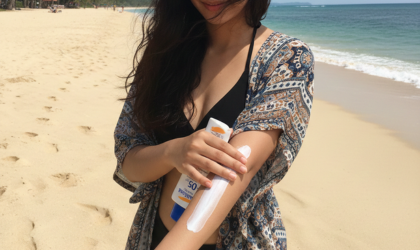
Sunscreen isn’t seasonal.
It isn’t optional.
And it isn’t cosmetic.
Sunscreen routines in the Philippines are about daily protection in a high-UV environment. It’s basic care, not a trend.
Conclusion: Protect Your Skin the Right Way
Sun damage is silent, cumulative, and permanent—but it is also preventable.
Using sunscreen Philippines consumers can trust every day is one of the easiest and most effective ways to protect long-term skin health. Choosing authentic SPF products and using them correctly really does make a difference.
Choose authentic SPF protection with confidence through Zenska.ph
Frequently Asked Questions (FAQs)
-
Is sunscreen really necessary every day in the Philippines?
Yes. Daily sun exposure is common because of strong UV levels throughout the year. Even when it’s cloudy or you spend most of the day indoors, ultraviolet rays can still affect the skin over time.
-
What SPF level is best for tropical weather?
SPF 50 or higher is generally recommended for tropical climates. Higher SPF helps provide better protection during long sun exposure, outdoor activities, and high heat conditions.
-
Can daily sunscreen use help prevent skin darkening and pigmentation?
Yes. Regular use helps reduce dark spots, uneven tone, and pigmentation caused by repeated sun exposure. Consistency matters more than occasional use.

 Skin
Skin  Hair
Hair  Make Up
  Bath & Body
  Natural
  Mom & Baby
  Men
Men  Fragrance
  Lingerie & Accessories
  Appliances
  Body Care
  Cleansers
  Eye Care
  Hands & Feet
  Kits & Combos
  Lip Care
  Hair Care
  Hair Kits & Combos
  Hair Styling
  Shop By Concern
  Shop By Hair Type
  Tools & Accessories
  Eyes
Eyes  Face
Face  Lips
Lips  Makeup Kits & Combos
  Multi-functional Makeup Palettes
  Nails
Nails  Bath & Shower
  Body Care
  Female Grooming
  Feminine Hygiene
  Hands & Feet
  Kits & Combos
  Aromatherapy
  Body Care
  Hair
Hair  Makeup
  Nailpolish
  Skin
Skin  Baby Accessories
  Baby Hygiene
  Diaper Essentials
  For Moms
  Gifting
  Nursing & Feeding
  Bath & Body
  Beard Care
  Fragrance
  Hair Care
  Health Supplements
  Sexual Wellness
  Aromatherapy
  Fragrance Kits & Combos
  Men Fragrances
  Shop By Fragrance Family
  Top Brands
  Women Fragrance
  Bags
Bags  Footwear
  Home
Home  Lingerie
  Sunglasses
  Watches
  Face Skin/Tools
  Hair Removal Tools
  Hair Styling Tools
  Massage Tools
  Oral Care
  Pro Hair Styling
